
Blog
Why Solar Street Lights Still Fail After Battery Replacement? The Real Reasons in the Philippines (And How LiFePO4 Fixes It)
Introduction
In the Philippines, many users search for:
- solar light not working
- solar street light battery replacement
- how to fix solar lights
In most cases, the suggested solution is simple:
👉 Replace the battery
However, in real-world projects, we often find that:
👉 Many systems still fail even after battery replacement.
If you are facing the same issue, the root cause is likely not just the battery itself, but the entire system design.
(👉 Suggested reading: Common Problems of Solar Street Lights in the Philippines)

1. Is Battery Replacement Really the Solution?
In most guides, solar street light failures are usually attributed to:
- Battery aging
- Capacity loss
- Battery damage
So “battery replacement” becomes the most common solution. However, in real engineering projects:
👉 Replacing the battery often provides only a temporary improvement, not a fundamental solution.
2. Why Solar Street Lights Fail More Often in the Philippines
Solar street lights in the Philippines tend to fail more frequently due to a combination of environmental and system design factors.
🌧 Rainy Season (Core Issue)
- Long periods of cloudy and rainy weather
- Insufficient sunlight
👉 This leads to undercharged batteries and accelerated aging.
🌡 High Temperature
- Faster battery degradation
- Shortened lifespan
🌊 Coastal Corrosion
- Salt mist corrosion
- Aging of cables and housing
⚡ Insufficient System Design (Key)
Many systems are designed without considering:
- Consecutive rainy days
- Adequate autonomy (backup days)

3. Why “7–12 Days Autonomy” Can Be Misleading
You may have seen products claiming: 👉 7–12 days of autonomy
But there is an important condition behind this: Under the same system configuration (same solar panel size and battery capacity):
- Longer autonomy usually requires lower brightness.
- Higher brightness usually results in shorter backup time.
Of course, increasing solar panel size or battery capacity can improve performance. But this also means:
- Higher cost
- Larger installation space
- More complex system design
👉 Therefore, in real engineering projects: There must always be a balance between brightness, autonomy, and cost.

4. Why Battery Replacement Often Doesn’t Work
This is the core reason behind many system failures.
1️⃣ Controller Mismatch
Different battery types (lead-acid vs lithium) require different charging profiles. A mismatch may prevent proper battery operation.
2️⃣ Insufficient Solar Panel Power
Many systems are under-designed:
- Not enough charging during the day
- Long-term undercharging damages the battery
👉 Even a new battery will fail again.
3️⃣ Wrong Battery Type
| Battery Type | Cycle Life |
|---|---|
| Lead-acid | 300–500 cycles |
| LiFePO4 | 2000+ cycles |
👉 In short: The issue is not just the battery, but the entire system design.
5. What Actually Works in the Philippines
Based on project experience in similar environments, reliable systems usually include:
- ✅ LiFePO4 Battery
Longer lifespan (2000+ cycles), higher stability, and better performance in high temperatures. - ✅ Proper Autonomy Design (3–5 Days)
Designed for consecutive rainy days, ensuring stable lighting. - ✅ Smart Control System
Optimized charging and discharging, with protection against overcharge and deep discharge. - ✅ Waterproof & Anti-Corrosion Design
Suitable for coastal environments, dramatically improving durability.
6. Proven Solar Project Cases (Engineered for Harsh Climates)
Our custom-designed solar systems and high-grade LiFePO4 batteries have been successfully deployed in extreme environments globally. Here are two examples of our reliable solutions:
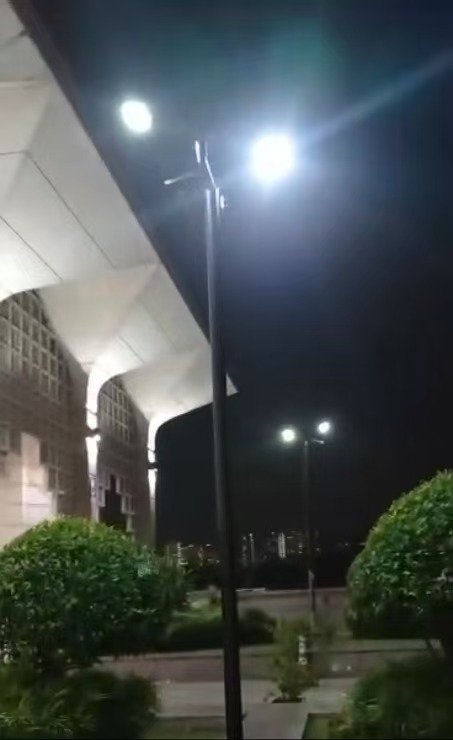
👉 Project: Mosque Lighting, Malaysia (Southeast Asia)
Product: Sunplus 60W Solar Street Light
Environment & Result: Designed for an extremely hot and humid climate (very similar to the Philippines). The system provides stable, high-efficiency lighting for nighttime activities with minimal maintenance required.
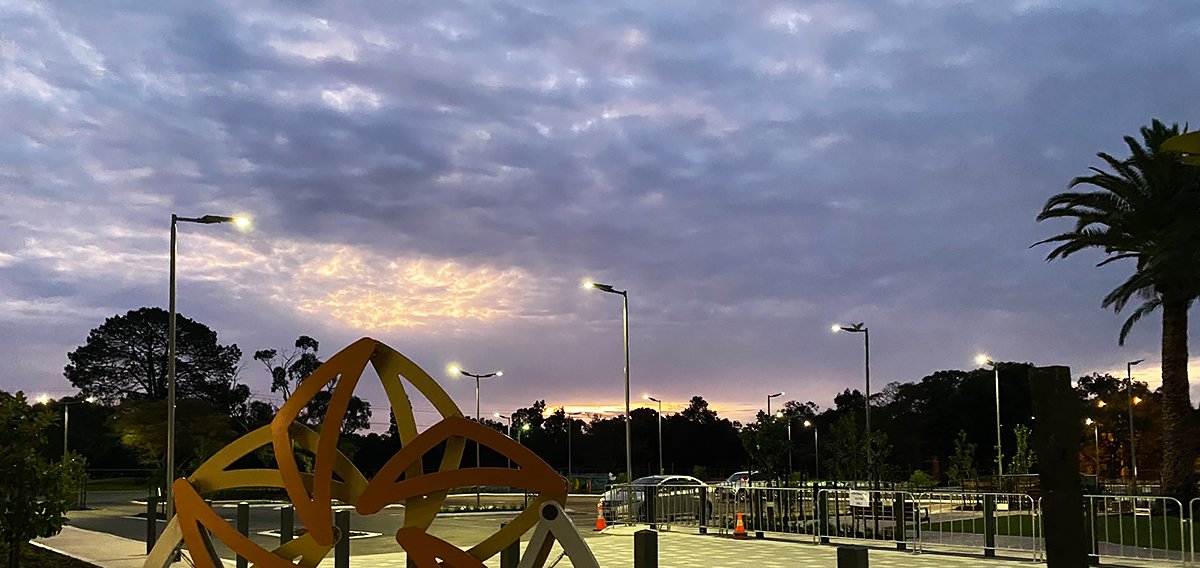
👉 Project: Solar Lighting for Parking Area, Australia
Environment & Result: Engineered for long-term outdoor use under intense sun exposure and severe weather conditions. The robust system delivers highly reliable performance with an exceptionally low failure rate.
👉 Click here to view more of our global engineering projects.
Conclusion
If your system is experiencing:
- Failure during rainy seasons
- Frequent battery replacement
- Unstable performance
👉 The problem is likely not the battery itself, but the system design.
👉 If you are planning a new project or want to improve an existing system, we can help evaluate and provide a more reliable solution.
Frequently Asked Questions
1. Can I just replace the battery in a solar street light?
In some cases, yes. However, in many real-world projects, the issue is not only the battery. If the system design is not optimized (such as insufficient solar panel power or controller mismatch), replacing the battery alone will not solve the problem long-term.
2. What is the best battery for solar street lights?
Currently, LiFePO4 (Lithium Iron Phosphate) batteries are the most reliable option because they offer a longer cycle life (2000+ cycles), better performance in high temperatures, and higher safety and stability compared to traditional lead-acid batteries.
Tired of Frequent Battery Replacements in Your Philippine Projects?
Stop wasting money on temporary fixes. Our engineering team designs custom solar lighting systems specifically for the Philippine climate, featuring precise autonomy calculations, premium LiFePO4 integration, and full compliance with local DPWH standards.
Contact Us for a Custom System DesignMore Resources for Philippine Projects:
👉 Read: Common Problems of Solar Street Lights in the Philippines 👉 Learn: The Complete DPWH Solar Street Light Engineering Guide