
The Hidden Drawbacks of Solar Street Lights in the Philippines (And How to Fix Them)
Introduction: Why do so many solar street light projects fail in the Philippines?
In recent years, solar street lighting has become increasingly popular across the Philippines. For many local government units (LGUs) and engineering contractors, it represents an ideal lighting solution: no cable trenching required, reduced electricity bills, and perfect for remote, off-grid areas. However, in actual projects, many solar street lights begin to fail just 1-2 years after installation.
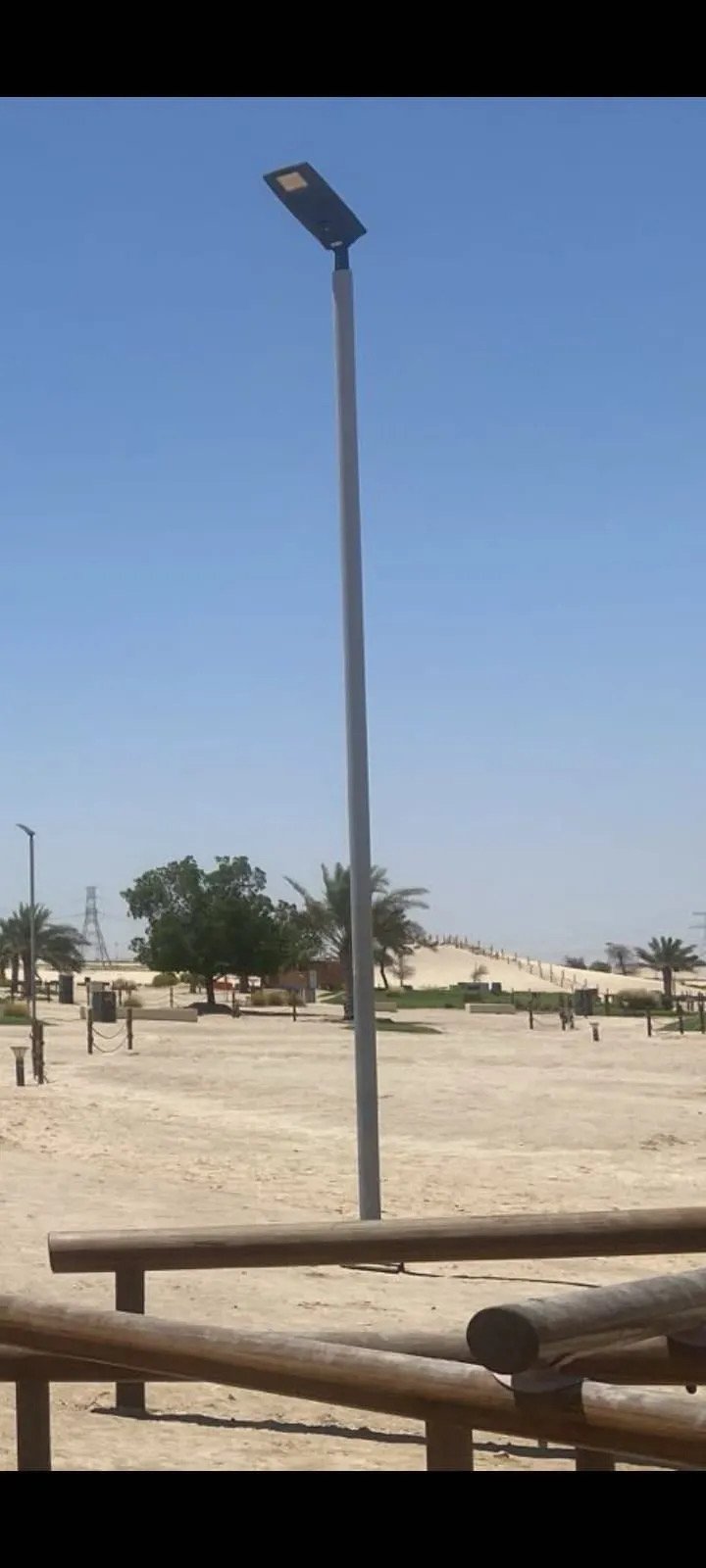
Engineering Proof: Proven reliability in the extreme heat of the Middle East. Designs validated in harsh desert climates help ensure stable performance for solar street lighting systems used in Philippine LGU and DPWH infrastructure projects.
These failures are not because solar technology itself is unreliable. The real reason is that many solar street light systems are not engineered for the extreme climate of the Philippines. The country experiences severe environmental conditions, including months-long rainy seasons, extreme heat and humidity, intense UV radiation, highly corrosive coastal salt mist, and frequent typhoons.
As a manufacturing team with 18 years of experience in industrial lighting, we have found across multiple international projects that most of these issues can be entirely avoided through proper engineering design. In this article, we will break down the three most overlooked problems with solar street lights in the Philippines and provide our professional engineering solutions.
Problem 1: The "Greenhouse Effect" Inside the Fixture Leads to Rapid Battery Failure
One of the most common complaints in solar lighting projects is that the battery lifespan is far shorter than expected. In tropical regions like the Philippines, direct sunlight can cause the internal temperature of the light fixture to exceed 60°C (140°F). If the heat dissipation design is flawed, a "greenhouse effect" forms inside the housing, causing the battery capacity to degrade rapidly, swell, and drastically reduce its cycle life.
The Engineering Solution
- Thick-wall Die-cast Aluminum for Superior Heat Dissipation: High-quality fixtures use ADC12 die-cast aluminum integrated housings rather than cheap, thin aluminum shells. Die-cast aluminum provides exceptional Thermal Mass, effectively absorbing and dissipating internal heat.
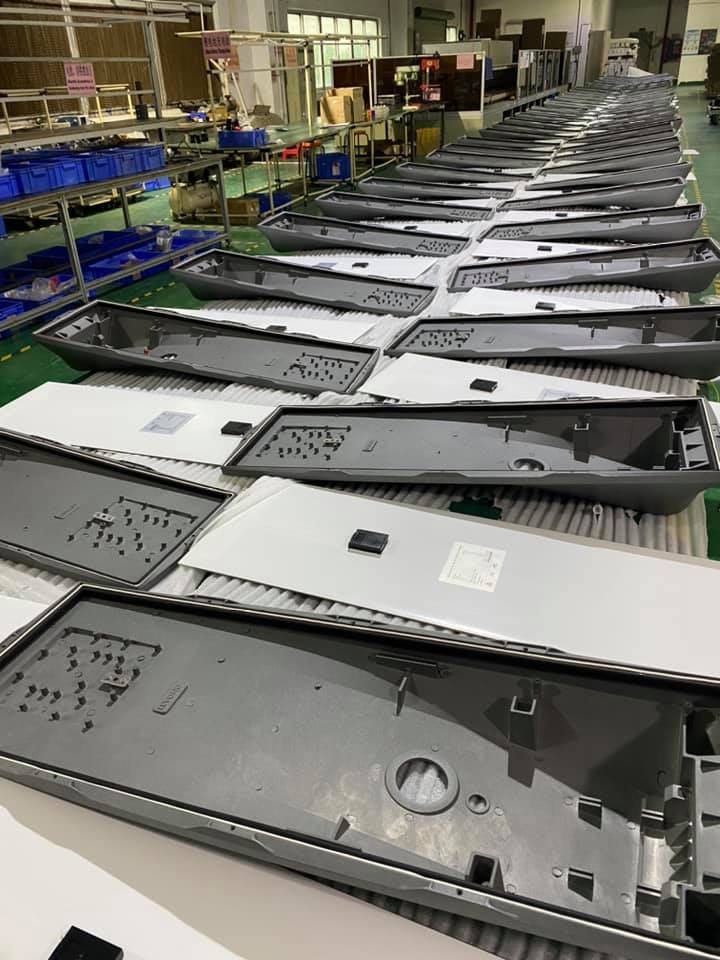
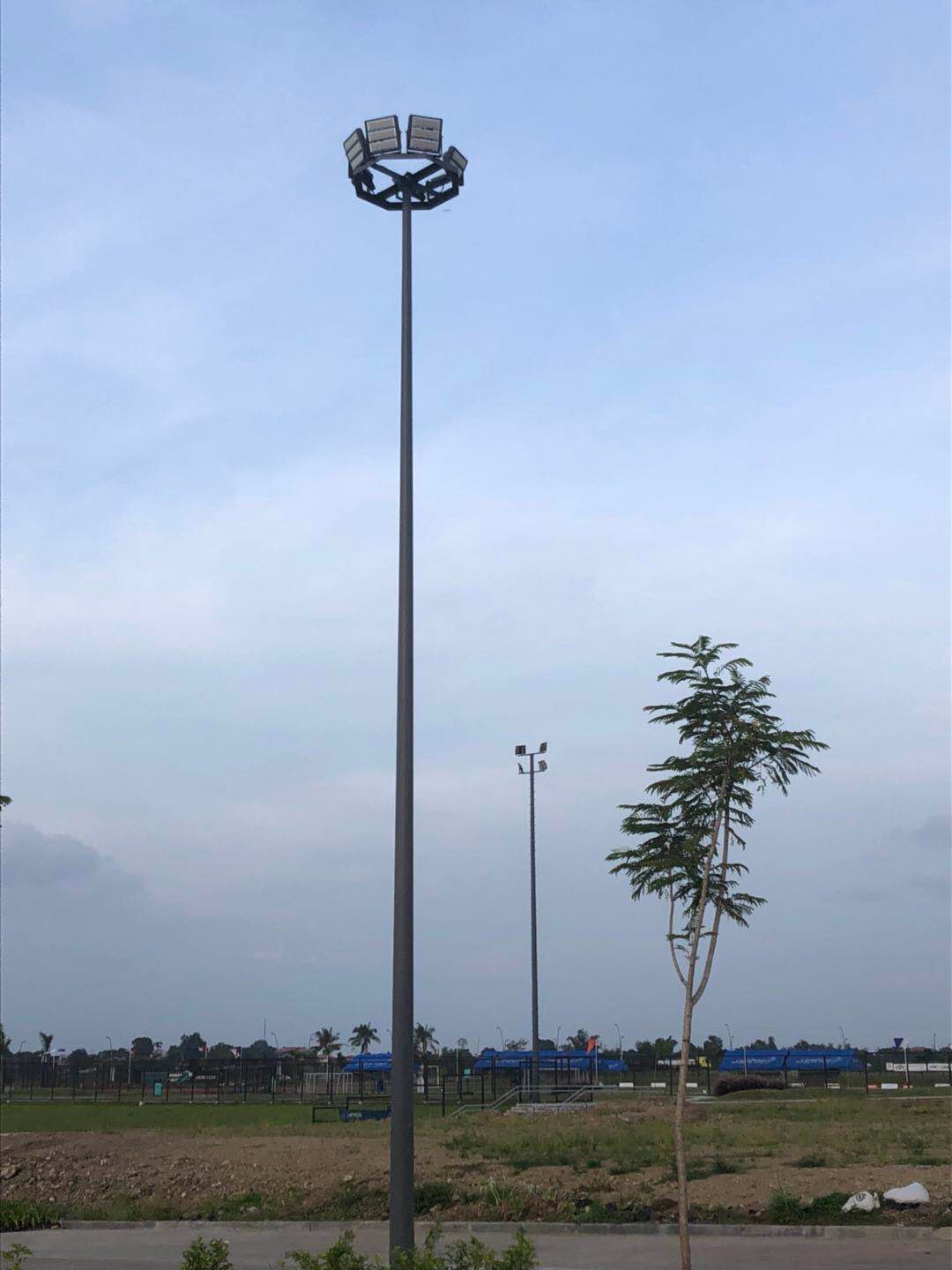
High-quality solar street lights typically use ADC12 die-cast aluminum housing to improve heat dissipation and structural strength. (Note: We apply the same rigorous typhoon-resistant die-cast standards from our Manila municipal high-mast projects to our off-grid solar street lights.)
- Using Brand New, Grade-A LiFePO4 Batteries: The most reliable battery type for this application is Lithium Iron Phosphate (LiFePO4), offering 2,000 to 3,000 charge cycles. Beware of low-cost systems using second-hand or Grade-B cells, which typically fail after just 500-800 cycles.
- Battery Thermal Insulation Design: Engineering-grade solar street lights add fireproof thermal insulation foam around the battery pack. This creates a barrier that prevents the heat from the outer shell from transferring to the battery.
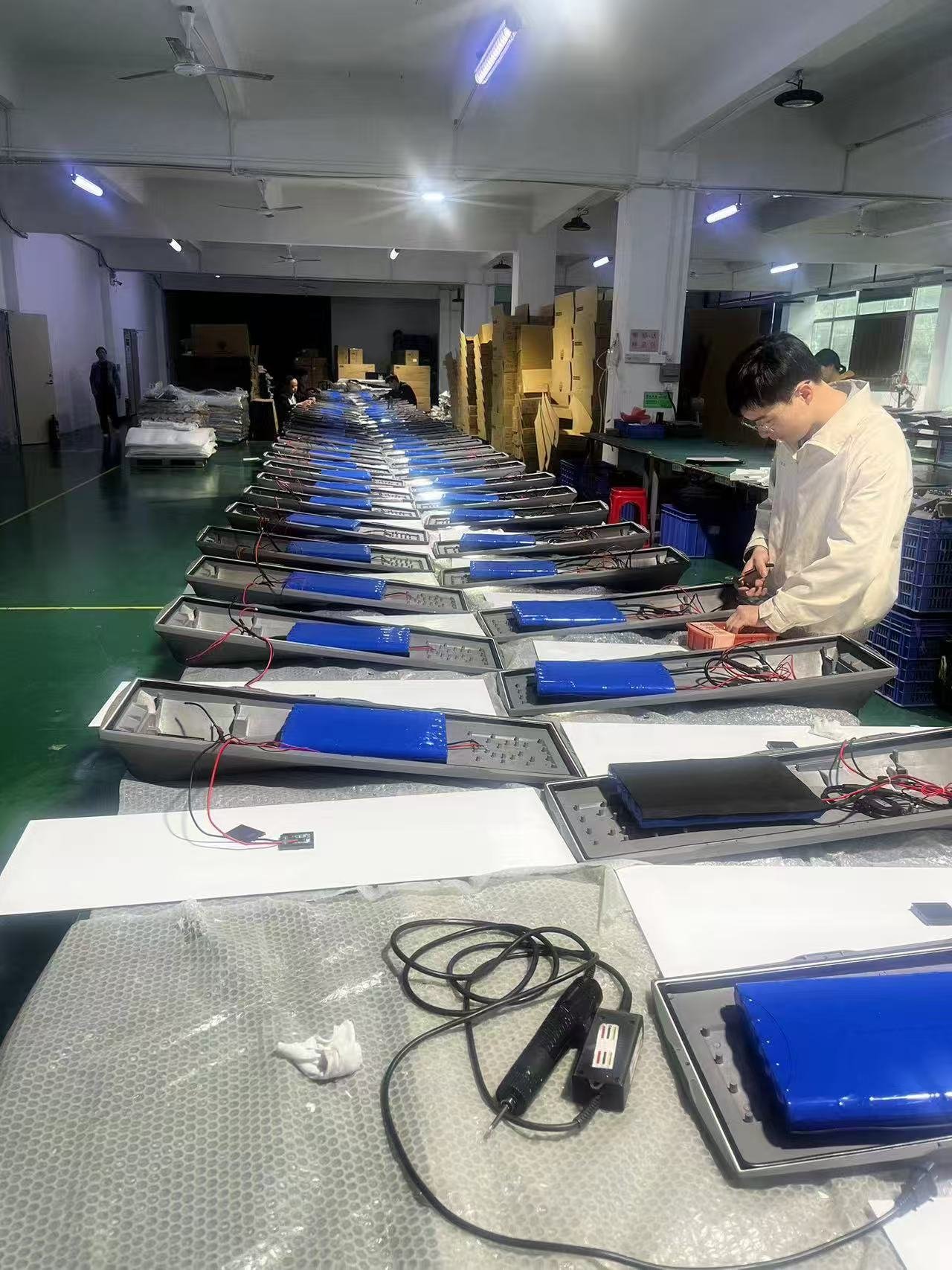
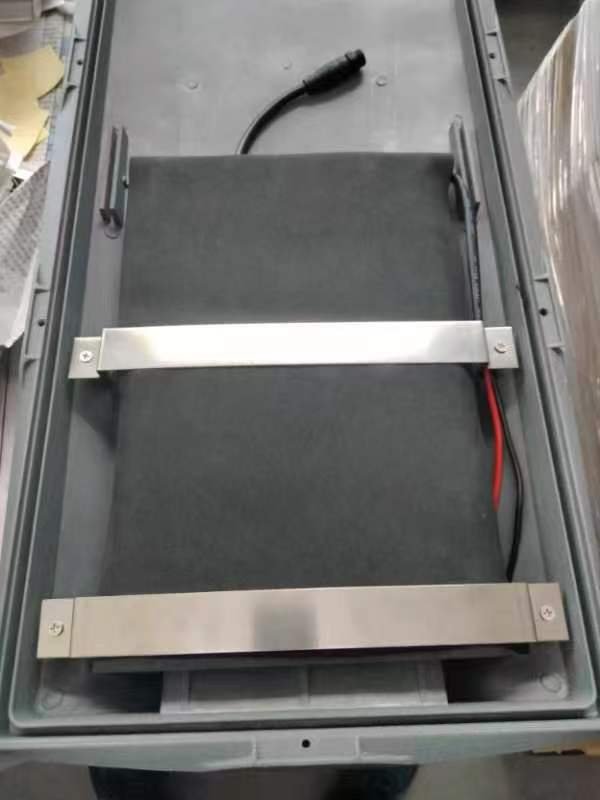
Note: Many low-cost solar street lights skip this insulation layer to reduce manufacturing cost, which can significantly shorten battery lifespan in tropical climates.
Problem 2: The Long Rainy Season Leaves Lights Without Power
The wet season in the Philippines can last for months. Many low-cost solar street lights rely on cheap PWM controllers, which have terrible charging efficiency under low-light conditions. After several consecutive cloudy or rainy days, the batteries simply deplete, and the lights turn off.
The Engineering Solution
Reliable systems utilize MPPT (Maximum Power Point Tracking) solar controllers. MPPT technology automatically tracks the maximum power point of the solar panel, increasing charging efficiency by 15% to 25% compared to traditional PWM controllers, ensuring the lights stay on even during prolonged rainy spells.

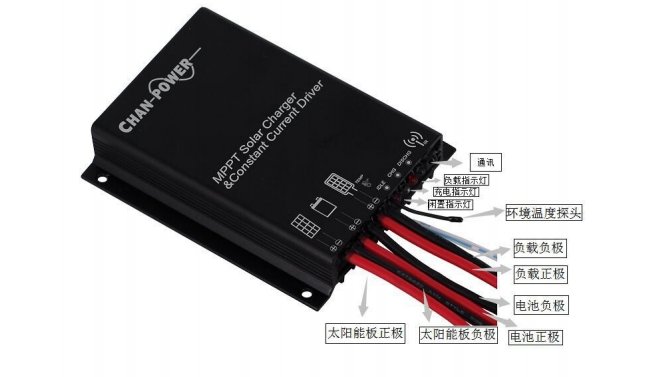
Problem 3: Structural and Corrosion Issues in Typhoon and Salt Mist Environments
The Philippines has an extensive coastline. Fixtures installed in coastal or high-humidity areas are constantly exposed to salt mist and strong winds. Low-cost fixtures often show rusted screws, corroded brackets, and structural failures within just a few months.
The Engineering Solution
- Full Aluminum Housing Structure: Aluminum possesses natural anti-corrosion properties, making it the ideal material for coastal environments.
- 304 Stainless Steel Fasteners: All critical connection points must utilize 304 stainless steel screws and brackets. This significantly enhances the structural integrity and durability of the system against harsh salt mist and typhoon-force winds.
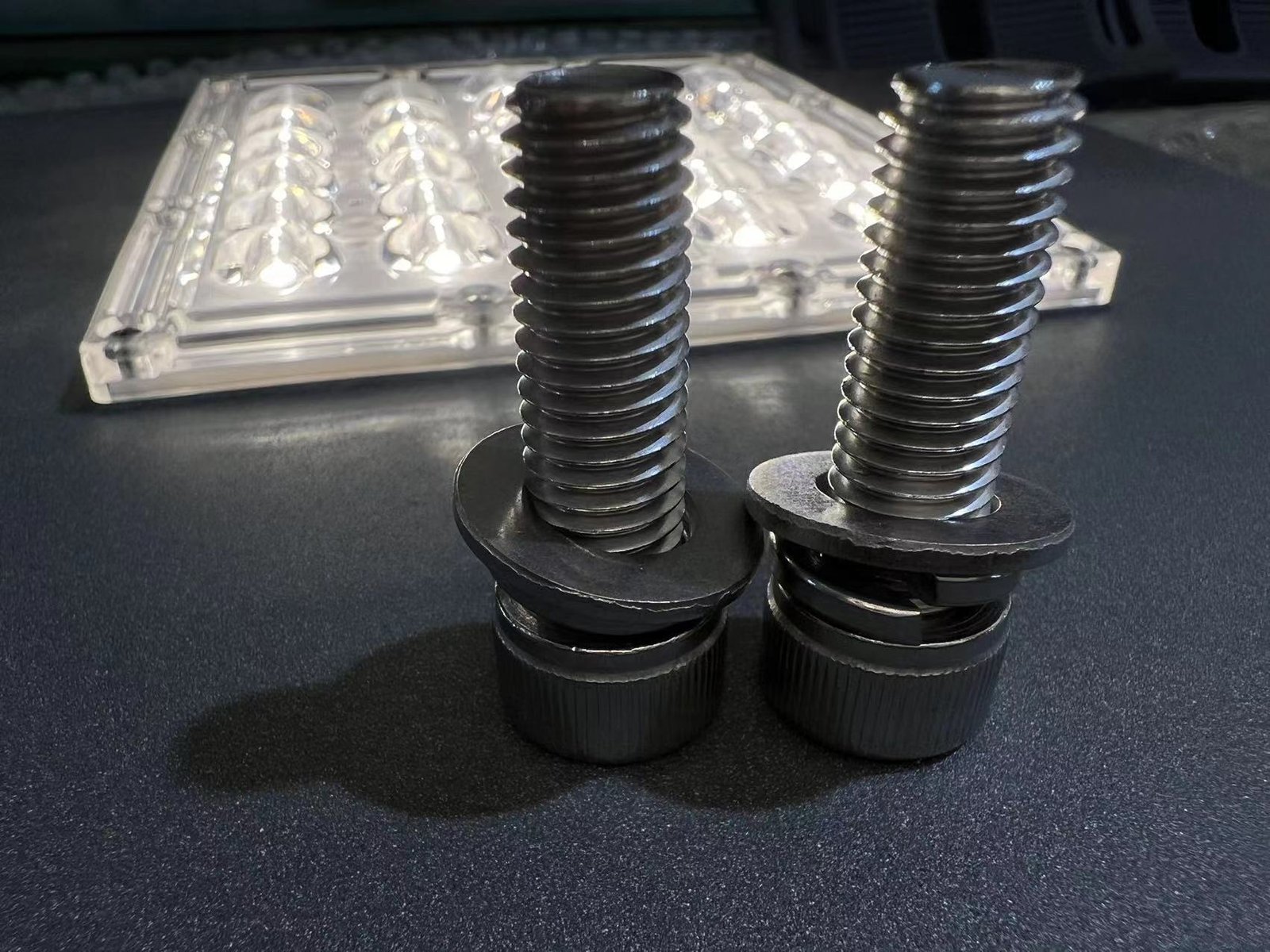
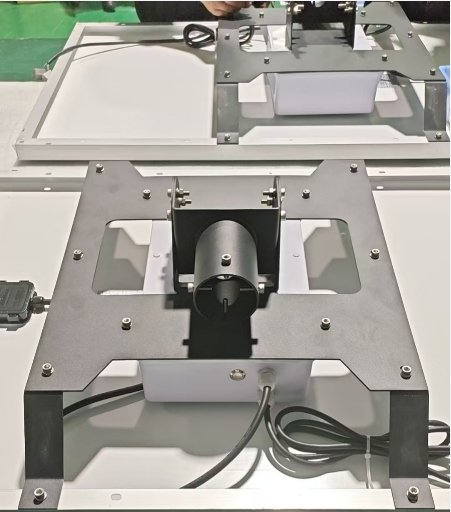
To prevent corrosion in coastal environments, 304 stainless steel fasteners and specialized brackets are utilized in our outdoor lighting systems. This significantly enhances structural integrity against harsh salt mist and typhoon-force winds.
What is the Real Lifespan of Solar Street Lights in the Philippines?
A properly designed, engineering-grade solar street light system can operate stably for 5 to 7 years before requiring a battery replacement. True reliability relies on robust system design, high-quality core components, and engineering tailored to the local environment.
Frequently Asked Questions (FAQ)
How long do solar street lights last in the Philippines?
Under tropical climate conditions, high-quality, engineering-grade systems typically operate stably for 5 to 7 years.
Why do many solar street lights stop working during the rainy season?
The primary reasons are undersized battery capacity and low-efficiency controllers. Upgrading to an MPPT controller and ensuring proper system sizing will resolve this issue.
How do you prevent light fixtures from corroding in coastal areas?
Utilizing a full aluminum structure (like ADC12) combined with 304 stainless steel fasteners greatly improves durability in high salt-mist environments.
Planning a Project in the Philippines?
Our engineering team can provide professional Dialux lighting simulations, solar system configuration advice, and typhoon-resistant structural evaluations tailored to your specific site.
Contact Us for an Engineering ProposalOr Read: The Complete DPWH Solar Street Light Engineering Guide